
Strength Meets Science: Exploring the Principles and Impact of Structural Engineering
Structural engineering is a crucial discipline within civil engineering that focuses on the design and analysis of structures capable of supporting or resisting loads. Throughout history, humanity has sought to build safer and more reliable structures, shaping the world we live in today. As our society continues to evolve, so does the field of structural engineering, which is at the forefront of innovations that redefine how we build and interact with our environment.
The historical roots of this discipline are as old as civilization itself. According to Structural Engineering Basics, the principles of structural engineering were used thousands of years ago when building structures like the pyramids in Egypt or the Acropolis in Greece. These early feats demonstrate the timeless nature of the field and its ongoing relevance in addressing contemporary challenges. The future prospects of engineering promise further advancements in technology, materials, and methodologies, enhancing our capacity to build sustainably and efficiently.
The Foundations of Structural Engineering
The historical development of structural engineering is a testament to human ingenuity and the quest for safety and stability. Ancient civilizations laid the groundwork for modern practice by constructing impressive structures that have withstood the test of time. These early builders understood load distribution, material properties, and geometric stability intuitively, long before the formalization of modern physics.
The Industrial Revolution marked a pivotal period, introducing mass-produced steel and high-strength concrete. These innovations enabled the construction of taller, more complex structures, paving the way for modern skyscrapers and expansive suspension bridges. As engineering knowledge expanded, so did the ability to analyze and predict structural behavior, leading to enhanced safety and efficiency in design. Today, the field is characterized by a blend of traditional principles and cutting-edge technology, creating a dynamic environment that is constantly evolving.
The fundamental principles of this discipline are rooted in physics and mathematics, providing a framework for understanding how forces interact within a structure. At its core, the goal is to ensure structures can withstand applied loads without failure.
- Equilibrium: Forces are balanced to prevent unintended movement.
- Compatibility: Ensuring structural elements deform in a coordinated, predictable manner.
- Stress and Strain: Assessing material behavior under load to design components that are both strong and ductile.
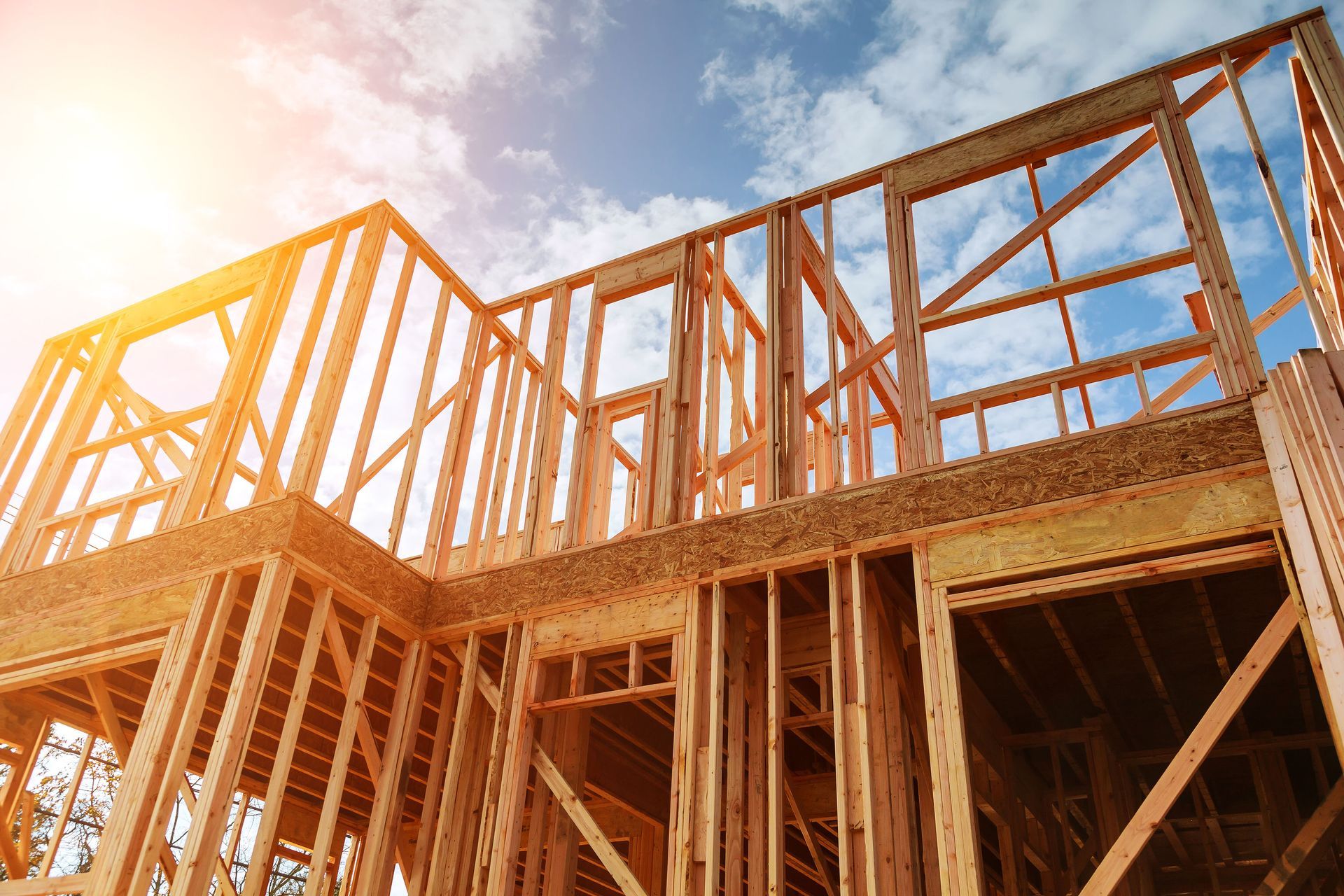
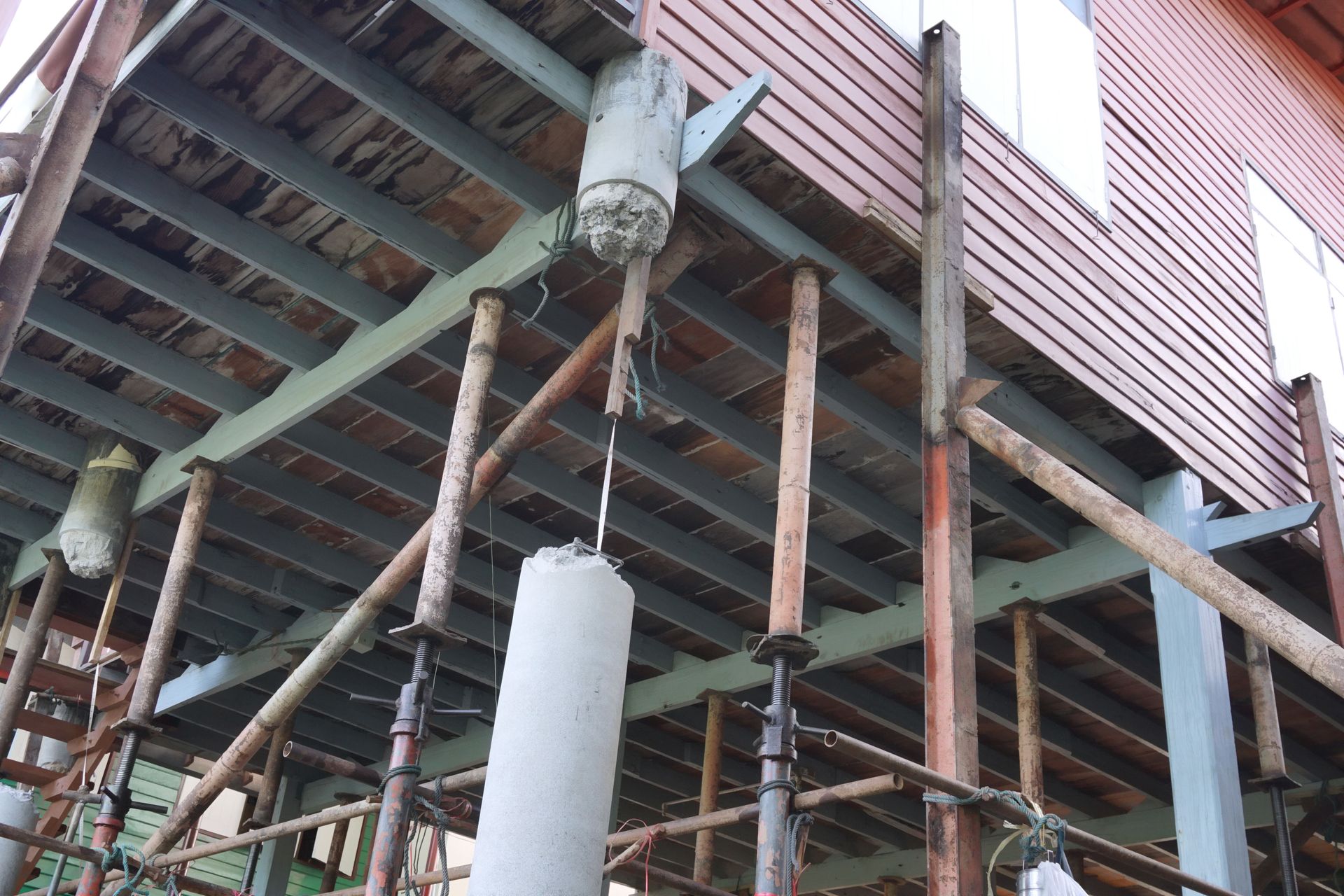
One foundational concept is the load path, which describes how forces are transferred from the roof or floor, through beams and columns, and finally to the foundation. Understanding load paths is critical for identifying potential weak points. Additionally, the concept of redundancy is important; it involves designing structures with multiple load paths to prevent catastrophic collapse if a single element is damaged.
The selection of materials directly affects a structure's performance and durability. While wood and stone remain relevant, steel and concrete are the staples of modern construction. Steel offers exceptional tensile strength, making it ideal for tall buildings, while concrete provides superior compressive strength.
Mathematics provides the language for this analysis. From calculating forces and stresses to modeling complex geometries, math is integral to every aspect of the process. Engineers use calculus, algebra, and geometry to solve complex problems and optimize designs. Finite Element Analysis (FEA), a mathematical simulation method, allows engineers to model structural behavior with high precision before a single brick is laid.
Understanding Structural Loads and Forces
Understanding the types of loads that act on a structure is essential for safety. Loads are generally categorized as follows:
- Dead Loads: Permanent static forces resulting from the weight of the structure itself (walls, floors, roof).
- Live Loads: Transient forces that vary over time, such as people, furniture, and equipment.
- Environmental Loads: Forces from natural phenomena like wind, snow, and earthquakes.
- Accidental Loads: Rare events such as vehicle impacts or explosions.
Each type of load imposes different demands. Environmental loads, for instance, require careful analysis based on geographic location; a building in San Francisco must be designed for seismic activity, while a skyscraper in Chicago must resist intense wind pressures.
Force distribution determines how these loads are transferred to the ground. An effective design ensures that no single element is overstressed. Proper distribution is essential for the longevity of a structure. By identifying stress concentrations, engineers can add reinforcement where it is most needed, optimizing both safety and material cost.
The dynamics of structural movement involve the behavior of buildings under motion. For example, tall skyscrapers are designed to sway slightly in the wind to dissipate energy. Engineers study natural frequencies and damping characteristics to prevent resonance, a condition where an external force matches the building's natural frequency, potentially causing excessive vibration and failure.
Safety standards and building codes are the "rulebooks" of structural engineering. Established by regulatory bodies, these codes specify minimum load requirements and material quality. Compliance with these standards is not just a legal requirement but an ethical obligation to protect the public. As new research emerges—such as better data on hurricane wind speeds or earthquake patterns—these codes are updated to reflect the latest safety science.
Materials Science and Innovation
The transition from traditional to modern materials has fundamentally changed our skylines. While ancient structures relied on mass (thick stone walls), modern engineering relies on the internal strength of materials. Materials science is now pushing the boundaries further with the development of:
- High-Performance Concrete: Capable of withstanding immense pressure with less bulk.
- Fiber-Reinforced Polymers (FRP): Offering strength without the weight or corrosion risks of steel.
- Self-Healing Materials: Specialized concretes that can "heal" their own cracks over time.
The rise of Building Information Modeling (BIM) has revolutionized the industry. BIM allows engineers to create 3D digital representations of structures that contain detailed information about every component. This technology facilitates better coordination between architects, engineers, and contractors, reducing errors and saving time. Software-driven simulations also allow for "virtual stress tests," where an engineer can see how a digital model would respond to a Category 5 hurricane or a massive earthquake.
Structural engineering has a profound global influence. In developing nations, innovative and low-cost structural solutions are essential for building resilient housing and infrastructure. Economically, efficient structural design reduces the cost of construction, making projects more viable.
Environmentally, the field is pivoting toward sustainability. The construction industry is a major source of carbon emissions, and structural engineers are finding ways to reduce the "embodied carbon" of buildings. This includes using recycled steel, "green" concrete, and mass timber—a high-tech wood product capable of replacing steel and concrete in many mid-to-high-rise applications.
Structural engineering is a dynamic intersection of strength and science. It is a discipline that honors ancient traditions while embracing the future through advanced mathematics, materials science, and digital innovation. By meticulously analyzing loads and forces, adhering to rigorous safety standards, and exploring sustainable design, structural engineers ensure that our built environment is not only awe-inspiring but fundamentally safe and resilient.
The buildings we inhabit and the bridges we cross are more than just assemblies of steel and stone; they are the result of rigorous scientific inquiry and creative problem-solving. As we look to a future defined by climate change and rapid urbanization, the role of the structural engineer will only become more critical in building a world that lasts.
If you are seeking a partner to bring precision, safety, and innovation to your next complex project, trust the experts who understand the deep science behind the structure. For comprehensive engineering services that stand the test of time, contact Jezerinac Geers & Associates, Inc today. Let us help you turn your most ambitious architectural visions into a solid, enduring reality.



Share On: