
12 Construction Issues Local Structural Engineers Help Prevent
Construction projects require coordination, precision, and a deep understanding of how materials, loads, and environmental factors interact. From a small home renovation to a large commercial development, the structural elements of a project must be carefully planned and executed to ensure long-term safety and reliability. This is where local structural engineers play a vital role. They assess risks, design strong foundations, and anticipate challenges that the average builder or property owner may overlook. Their experience helps prevent costly mistakes, compliance failures, and structural hazards that can jeopardize a project's success. Understanding the issues these professionals help prevent can empower property owners, developers, and contractors to make safer, more informed construction decisions.
1. Soil Issues
One of the most common causes of structural problems is improper understanding of soil conditions. Choosing an expert who comprehends the intricacies of this detail is crucial. According to Zippia, there are more than 59,942 structural engineers currently employed in the U.S., and it's essential to choose one who understands your project's needs. Soil composition varies drastically from one region to another, and even within a single property, soil density and stability can shift. Structural engineers are trained to evaluate soil type, moisture content, and load-bearing capacity before any foundation work begins. They help prevent problems such as settling, shifting, cracking, or foundation sinking by recommending the right foundation type and reinforcement methods. Without this expertise, builders risk constructing on unstable ground, leading to expensive repairs or, in severe cases, total structural failure.
2. Improper Calculations
Every structure is designed to support specific loads, including the weight of the building materials, occupants, furniture, and environmental forces like wind or snow. When load calculations are inaccurate, the risk of collapse increases significantly. Local structural engineers ensure that beams, columns, floors, and roofs are properly sized and reinforced to handle expected loads. They also factor in location-specific conditions such as seismic activity or heavy seasonal snow. By catching miscalculations early, they prevent dangerous consequences that often stem from underestimating load requirements.
3. Structural Weaknesses
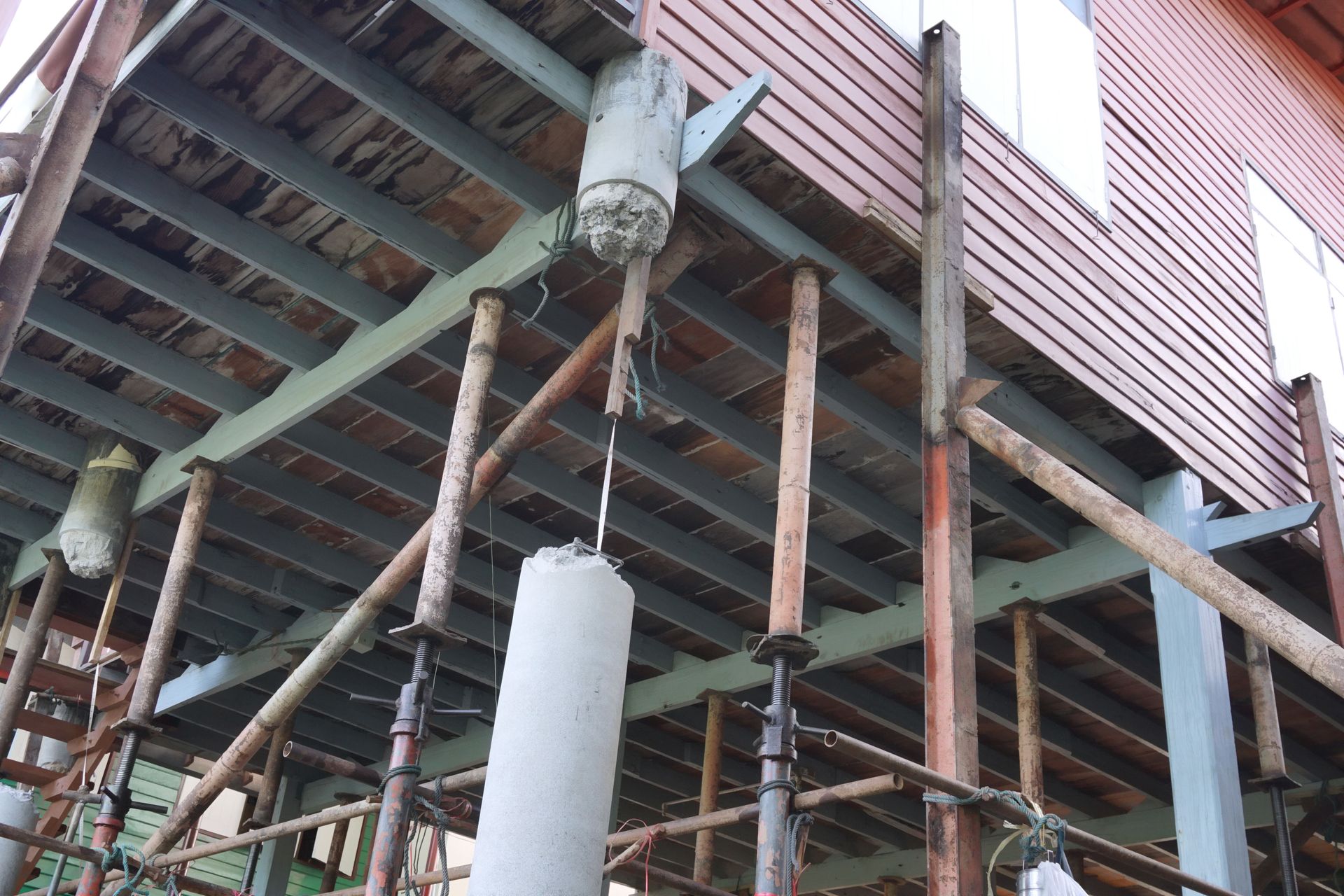
Renovations and property additions are among the most common sources of structural issues. Homeowners may remove walls, build new rooms, or convert basements without realizing that these changes can affect weight distribution and structural integrity. The input of structural engineers is invaluable during renovation planning because these experts can evaluate how existing structures will respond to new loads. They confirm whether a wall is load-bearing, advise where reinforcements are needed, and ensure additions integrate safely with the original structure. Their oversight helps prevent sagging floors, cracked walls, roof instability, and other hidden hazards that often develop months or years after poorly planned renovation work.
4. Drainage Problems
Water is one of the most destructive forces affecting any structure. Poor drainage, improper grading, and inadequate waterproofing can cause foundation deterioration, soil erosion, mold growth, and interior water damage. Local structural engineers understand the specific drainage and weather patterns of their region, allowing them to design systems that effectively divert water away from the structure. They assess factors such as slope, runoff patterns, groundwater levels, and the potential for hydrostatic pressure. By integrating proper drainage strategies into the project design, they help prevent structural weakening and preserve the longevity of the building.
5. Material Selection
Choosing the wrong materials, or failing to properly test them, can compromise a building's strength. Using inferior or incompatible materials may result in premature deterioration or poor structural performance. Structural engineers evaluate material quality, durability, and compatibility with the project's design and environmental conditions. For example, in coastal regions, they recommend materials that resist corrosion; in colder climates, they ensure materials can withstand freeze-thaw cycles. Their careful material assessment helps prevent cracking, buckling, premature aging, and structural breakdowns.
6. Inadequate Reinforcement
Reinforcement errors often occur when improper spacing, alignment, or sizing of steel rebar and mesh compromises a structure's strength. Whether constructing multi-story buildings, retaining walls, or foundations, reinforcement must be installed precisely to achieve the intended load-bearing capacity. Local structural engineers provide detailed reinforcement drawings and oversee implementation to ensure accuracy. Their intervention reduces the risk of structural cracking, slab failure, and long-term instability often caused by reinforcement issues.
7. Roof Failures
Roof failures are usually the result of inadequate support, poor design, improper load calculations, or extreme weather conditions. A roof must withstand not only its own weight but also snow, wind uplift, and environmental stressors. Structural engineers analyze roof geometry, material strength, and environmental loads to design safe and durable roof systems. They also help prevent problems like sagging rafters, leaking seams, truss failures, and collapse due to excessive snow or wind pressures.
8. Framing Misalignment
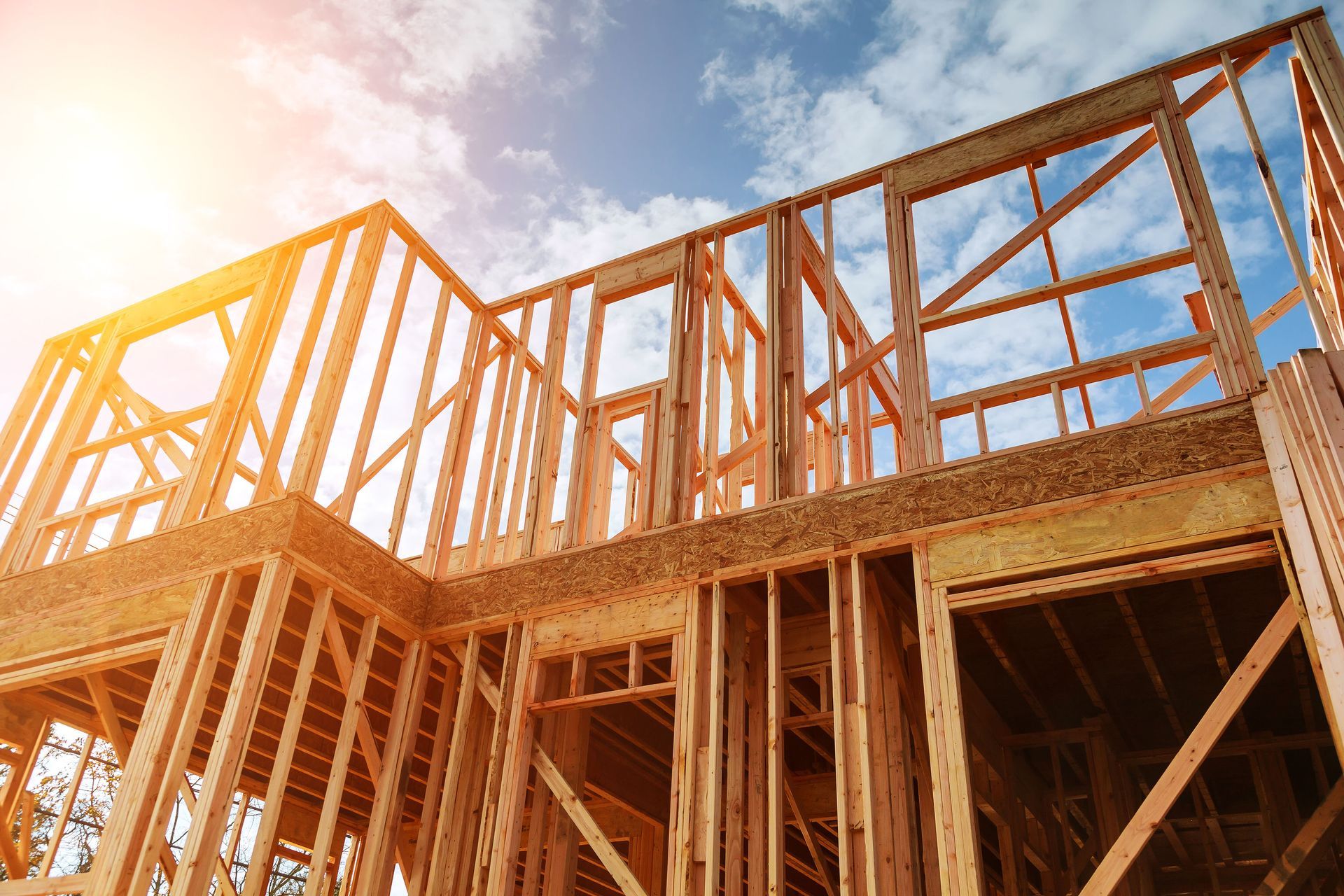
Framing issues occur when walls, beams, and connectors are not aligned or reinforced correctly. Even minor misalignments can lead to shifting, cracking, and instability over time. Local structural engineers ensure framing work adheres to precise engineering standards. They verify that connections are secure, beams are properly supported, and load-bearing walls are correctly placed. This helps prevent long-term structural distortion, uneven floors, and premature wear.
9. Code Violations
Building codes exist to ensure safety, but they are complex and vary from one jurisdiction to another. Failure to comply can lead to failed inspections, costly revisions, project delays, and potential legal issues. Local structural engineers stay updated on regional code requirements and ensure that all structural plans meet or exceed those standards. Their knowledge helps prevent compliance problems related to load ratings, fire safety, wind resistance, and accessibility.
10. Environmental Risks
Many regions face environmental hazards that require specialized structural planning. Earthquake-prone areas need seismic reinforcement, while coastal regions require wind-resistant and flood-resistant designs. Even areas prone to expansive clay soils or heavy seasonal storms must be properly evaluated. Local structural engineers assess the environmental risks unique to their region and tailor structural designs accordingly. Their expertise ensures that buildings can withstand natural forces that may otherwise compromise their safety and stability.
11. Retaining Concerns
Retaining walls support large volumes of soil, and improper design or drainage can result in catastrophic failure. A collapsing retaining wall can cause erosion, property damage, and dangerous conditions. Structural engineers analyze soil pressure, water flow, and load distribution to design retaining walls that resist movement and remain stable for decades. Their involvement helps prevent leaning, bulging, cracking, and total structural collapse.
12. Elemental Degradation
Even well-built structures are continually exposed to elements like moisture, temperature fluctuations, chemicals, and UV radiation. Over time, these conditions cause gradual degradation, including corrosion of steel, weakening of wood framing, and cracking of concrete. Structural engineers assess long-term environmental impact during the design phase and recommend materials and protective measures to mitigate deterioration. Their foresight prevents costly maintenance issues and extends the lifespan of the structure.
Construction involves countless variables that must work together for a structure to remain safe, stable, and durable. From soil analysis and load calculations to environmental considerations and code compliance, the challenges are far too complex to overlook or leave to guesswork. This is why property owners, contractors, and developers rely on local structural engineers to guide their projects. Their role in preventing costly and dangerous construction issues cannot be overlooked. Their expertise ensures that projects meet safety standards, withstand environmental forces, and maintain long-term integrity. By involving these professionals early in the construction process, clients can avoid major structural problems and invest confidently in a safer, more reliable future. When you're ready to bring your design to life, contact Jezerinac Geers & Associates, Inc.

Share On: