
Engineering Safety: How Structural Experts Prevent Failures and Disasters
In the world of construction and engineering, safety isn't just a priority; it's a necessity. Throughout history, numerous projects have unraveled due to overlooked structural deficiencies, leading to catastrophic outcomes. The importance of structural engineering cannot be overstated, as it plays a pivotal role in preventing failures and disasters. Let's delve into the meticulous efforts that structural engineering consultants undertake to ensure engineering safety.
Engineering Codes and Standards
Engineering codes and standards are established guidelines developed to ensure that structures are safe, reliable, and efficient. They are based on industry research, experience, and technological advancements. Engineers must adhere to these codes to meet legal and safety obligations throughout the design and construction process. Failure to comply with these standards can lead to severe legal consequences and compromise public safety.
These codes cover a wide range of activities, including material selection, structural loads, design procedures, and construction practices. By providing a benchmark, they guarantee a consistent level of safety and performance across engineering projects. Engineers must stay updated with the latest codes to incorporate new technologies and methods that improve safety and efficiency. This continuous engagement with evolving standards is a fundamental aspect of engineering practice.
The international nature of many engineering projects necessitates the integration of multiple codes and standards. Engineers often work across borders, requiring knowledge of both local and international regulations. This complexity demands a comprehensive understanding of different safety protocols and the ability to adapt them to local contexts.
Computer-Aided Design (CAD) and Modeling
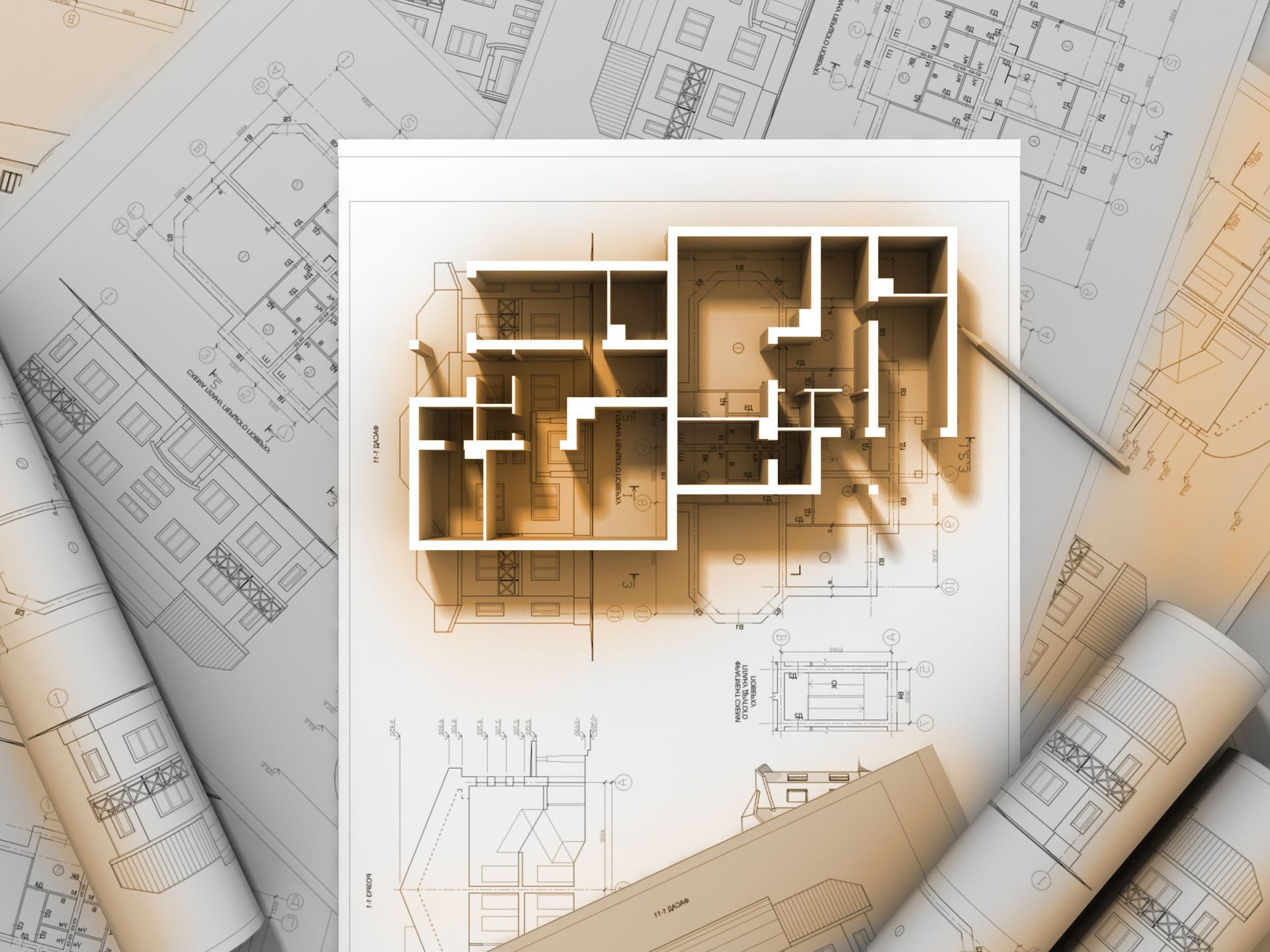
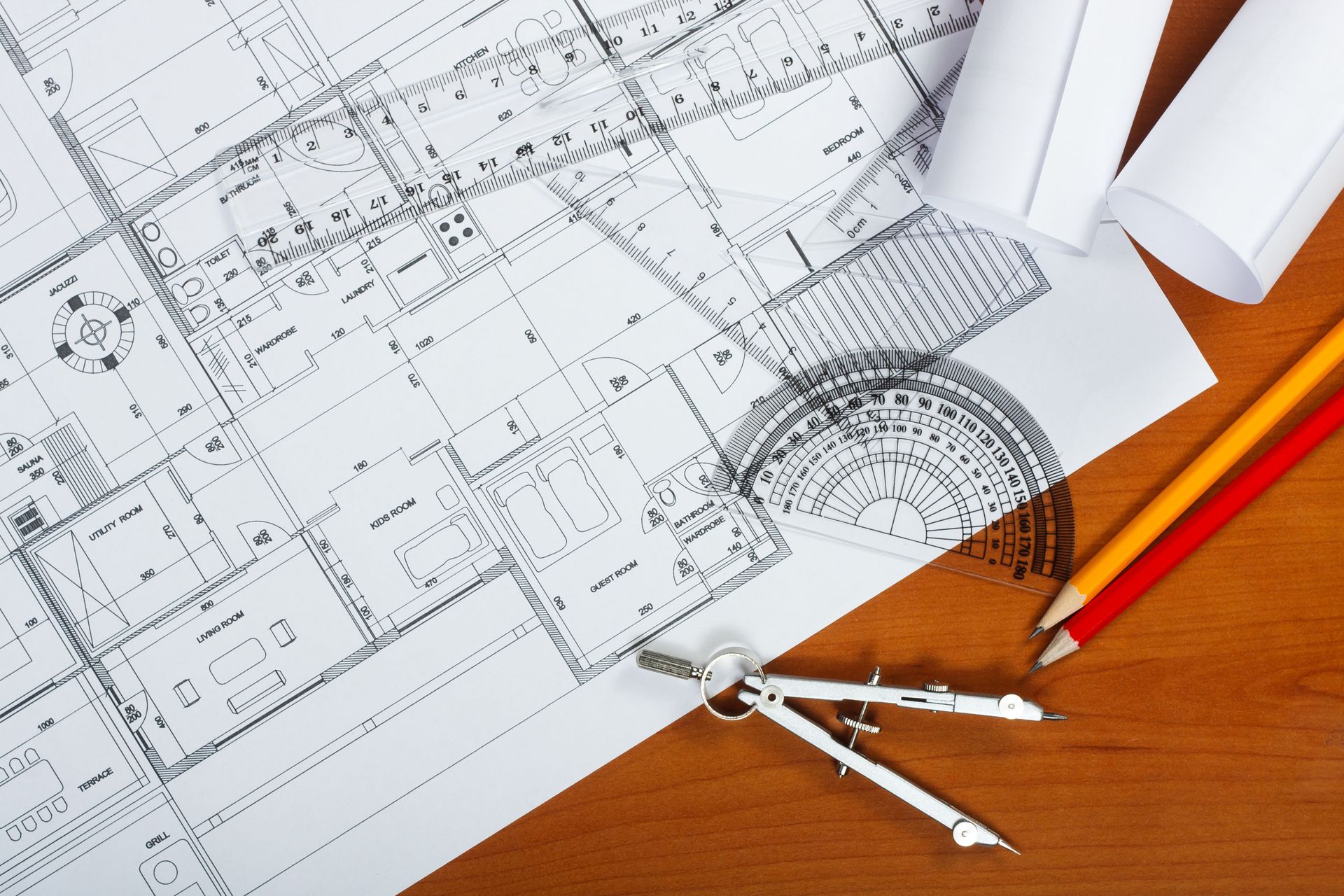
Computer-Aided Design (CAD) revolutionized the field of structural engineering by offering unprecedented precision and efficiency in design processes. CAD enables engineers to create detailed 3D models that aid in visualizing complex structures and identifying potential issues before construction. This level of detail is crucial in ensuring designs adhere to safety standards and are optimized for performance. Furthermore, CAD allows for rapid iteration and modifications, adapting designs to changing requirements quickly.
According to TealHQ.com, mastering software for 3D modeling and finite element analysis is now a critical skill for today's engineers. This is because the use of CAD and modeling has significantly increased engineers' ability to predict structural behavior under various conditions. These models incorporate real-world data to simulate loads, material stress, and potential failure points. This analysis helps engineers identify vulnerabilities and reinforce areas prone to stress, enhancing overall safety. The integration of CAD into regular engineering practices signifies a major leap forward in optimizing both aesthetic and functional aspects of structures.
Moreover, advancements in software capabilities continue to improve CAD systems. Modern tools extend beyond basic modeling to include simulations of dynamic forces, providing a more comprehensive analysis. As a result, structural engineering consultants can create more resilient designs, incorporating safety features seamlessly. The continuous development of CAD technology plays an essential role in equipping structural engineers to meet evolving demands and ensures that safety remains paramount in every project.
Identifying Potential Risks in Design
Risk assessment plays a crucial role in the engineering design process, aimed at identifying potential hazards that could compromise safety. Structural engineering consultants carry out thorough analyses to pinpoint vulnerabilities in materials, design, and construction methods that may lead to structural failures. This proactive approach entails scrutinizing past projects, utilizing data from various domains, and leveraging computational tools to simulate possible risk scenarios.
Engineers need to consider numerous risk factors, including material fatigue, environmental impacts, and human error. By systematically evaluating these elements, they can introduce mitigating measures that enhance safety. Incorporating risk identification into the early stages of design allows for cost-effective adjustments, ensuring that projects adhere to high safety standards from the outset. The continuous refinement of risk assessment techniques is essential in adapting to new challenges as they arise.
Implementing Redundancies
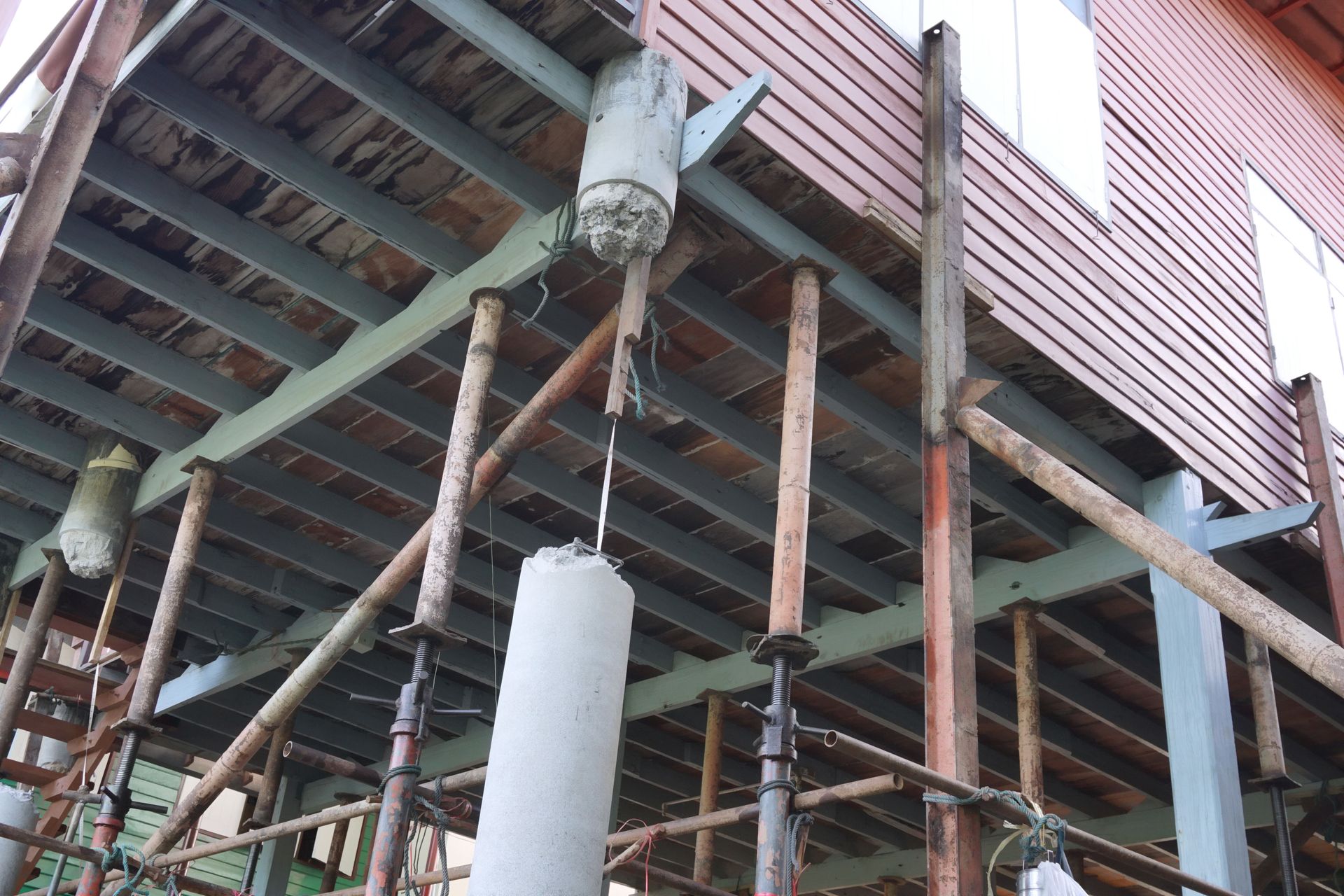
Redundancies, or fail-safe mechanisms, are integral to optimal structural safety and risk management. These design features ensure that if one component fails, additional systems are in place to maintain the integrity and safety of the structure. Redundancies offer an important safety net, protecting against unforeseen events and minimizing the risk of catastrophic failure.
Engineers strategically incorporate redundancies during the design phase, often through structural reinforcements, duplicate systems, and material choices that provide multiple lines of defense. These measures help distribute loads more evenly and accommodate unexpected stresses, enhancing a structure's robustness. By planning for redundancy, engineers create systems that can adapt to changing conditions without compromising safety.
Moreover, the concept of redundancy extends beyond physical design to encompass operational protocols. Regular maintenance schedules and emergency response plans are identified and instituted as part of comprehensive risk management strategies. This preparation ensures that both structural and operational redundancies work together to safeguard structures against potential risks. The adoption of redundancy in engineering practices reflects a commitment to achieving the highest possible safety standards.
Cost-Benefit Analysis in Safety Feature Implementation
Cost-benefit analysis is a crucial tool in determining the feasibility and necessity of implementing specific safety features in engineering projects. This analytical approach examines the costs associated with safety measures against the potential benefits of risk reduction, helping structural engineering consultants make informed decisions. Ideally, the additional cost of implementing safety features is justified by the enhanced protection and reduced risk of costly failures or accidents.
When conducting a cost-benefit analysis, engineers must consider both short-term and long-term impacts. Initial costs may appear prohibitive, but the long-term savings resulting from avoided failures often justify these investments. Safety features can lead to reduced maintenance expenses, extended asset lifespans, and improved resilience to environmental factors, offering substantial returns over time.
Additionally, cost-benefit analysis fosters transparency and accountability in decision-making processes. By providing a clear framework for evaluating safety investments, stakeholders can objectively assess project viability and prioritize efforts accordingly. The systematic examination of cost and benefit relationships ensures that safety remains a core consideration in engineering design, promoting the development of economically viable and secure structures.
Maintenance Planning and Scheduling
Effective maintenance planning is vital to the longevity and safety of engineering structures, requiring proactive scheduling and strategic resource allocation. Regular inspections and maintenance are critical to identifying vulnerabilities and addressing minor issues before they become significant problems. This forward-thinking approach minimizes risk and enhances structural resilience, contributing to overall safety efforts.
Engineers develop maintenance schedules based on various factors, including environmental conditions, usage patterns, and material durability. By considering these elements, maintenance tasks can be prioritized and executed efficiently, ensuring that essential activities are carried out without interrupting operations. The integration of predictive technologies further optimizes maintenance planning, allowing for real-time assessment of structural health and timely interventions.
Moreover, collaboration between engineering teams, maintenance personnel, and management is essential to ensure that maintenance processes are executed effectively. Clear communication and documentation of maintenance activities enable informed decision-making and continuous improvement in planning efforts. Effective maintenance scheduling reflects an ongoing commitment to preserving safety and functionality in engineered structures, safeguarding both lives and investments.
Continuous Risk Monitoring Techniques
Continuous risk monitoring techniques play a vital role in maintaining the safety and integrity of engineering projects. These techniques involve the ongoing assessment of structures, materials, and external conditions to detect potential issues before they escalate into significant problems. By leveraging technology, such as sensors and data analytics, engineers can receive real-time feedback and make informed decisions to safeguard structural performance.
Ultimately, ensuring structural safety is a continuous, dynamic process rather than a static checkbox. By seamlessly weaving together rigid regulatory codes, advanced digital modeling, and multi-layered risk management strategies, the engineering field transforms safety from an abstract priority into a predictable science. To learn more, reach out to structural engineering consultants at Jezerinac Geers & Associates, Inc today!




Share On: