
Beyond Steel and Concrete: Innovative Approaches in Modern Structural Engineering
Structural engineering plays a vital role in shaping the built environment, ensuring the structural integrity of the infrastructure society relies upon. As the world faces increasing environmental pressures and resource constraints, engineers are actively seeking alternative materials and methods that go beyond the traditional use of steel and concrete. Innovations in structural engineering are not only changing the materials used but also how structures adapt, respond, and integrate with their environments, paving the way for more resilient, sustainable, and efficient designs.
Sustainable Materials in Structural Engineering
Structural engineering has seen significant advancements in the use of sustainable materials, transforming how we approach construction and infrastructure development. One promising material is bamboo, known for its lightweight yet strong structure, which makes it an ideal choice for certain load-bearing applications. Bamboo's rapid growth rate and renewable nature allow it to be harvested sustainably, presenting a viable alternative to traditional lumber and offering potential for reducing the carbon footprint in structural applications.
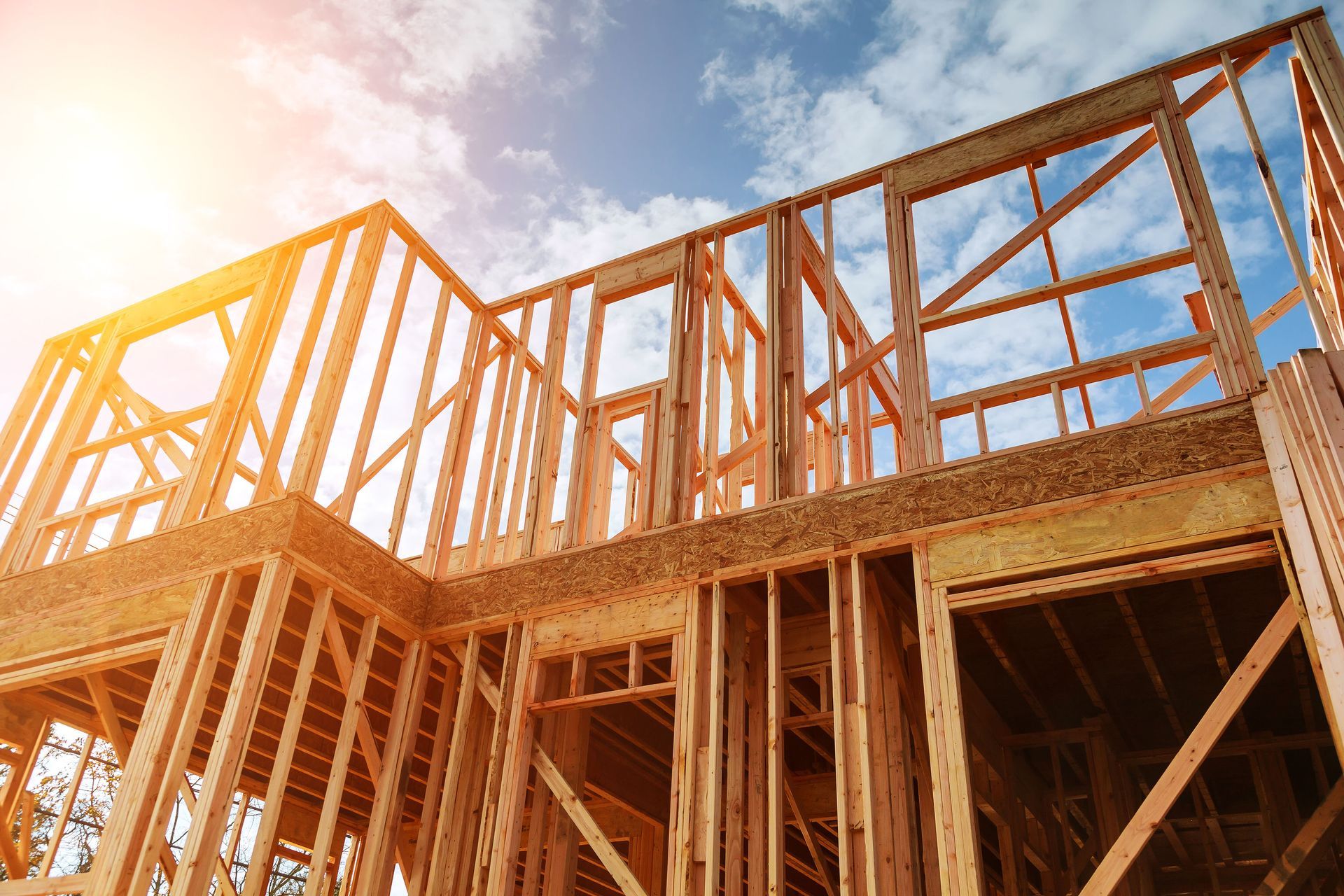
Engineered timber products, such as cross-laminated timber (CLT) and glulam, have also been gaining traction within the industry. These products leverage advanced manufacturing processes to enhance the strength and durability of wood, making them suitable for large-scale structural applications, including multi-story buildings. By using engineered timber, architects and engineers can create structures that offer aesthetic appeal while promoting sustainability through carbon sequestration.
Recycling and the use of recyclable materials have become a core focus in sustainable structural engineering. Incorporating materials like recycled steel and concrete enables a reduction in the demand for virgin resources, which in turn decreases energy consumption and waste production. Furthermore, composites and nano-materials are being explored for their potential in enhancing the performance and sustainability of structures, offering increased strength, durability, and resistance to environmental factors.
Adaptive and Intelligent Structures
Adaptive and intelligent structures represent a new frontier for a structural engineering firm, characterized by their ability to respond dynamically to changing environmental conditions. Smart materials, such as piezoelectric actuators and shape memory alloys, are being integrated into designs to create buildings and structures that adapt their properties in real-time, enhancing stability and efficiency. This approach not only improves energy usage but can also lead to greater comfort and safety for occupants.
Self-healing concrete technologies are another revolutionary development in the field. By incorporating bacteria or encapsulated healing agents, engineers can design concrete that automatically repairs cracks, thereby significantly extending the lifespan of concrete structures and reducing maintenance costs. This advancement helps ensure the durability and resilience of infrastructure, a fundamental aspect of structural engineering as noted by Thomas.
The integration of the Internet of Things (IoT) in structural health monitoring is further driving innovation in this domain. IoT-enabled sensors provide continuous feedback and analysis of structural conditions, allowing for predictive maintenance and proactive identification of potential issues. By leveraging data-driven insights, engineers can enhance safety and optimize the performance of structures, demonstrating the transformative power of adaptive and intelligent systems in modern engineering.
Earthquake and Disaster Resilient Designs
Innovations in earthquake and disaster resilient design are critical for protecting communities and infrastructure from natural hazards. Base isolation techniques, which involve placing structures on flexible bearings, can significantly reduce the seismic forces transmitted to a building during an earthquake. This method not only minimizes structural damage but also enhances safety and occupants' well-being, demonstrating the importance of resilience-focused engineering.
Energy dissipation systems, such as tuned mass dampers and viscous fluid dampers, are designed to absorb and dissipate the energy generated by seismic events. By effectively reducing the amplitude of vibrations, these systems help to protect structures from damage and maintain their integrity. As Thomas emphasizes, ensuring the stability and strength of buildings and bridges is a core focus of structural engineering.
Resilient community infrastructure aims to provide not only physical resilience against natural disasters but also to support recovery and adaptation. Seismic meta-materials, which manipulate seismic waves, are being explored to protect infrastructure in highly seismic regions. Additionally, multi-hazard mitigation approaches are being developed to address the various risks posed by climate change, illustrating how engineers are evolving their methods to safeguard both human lives and vital infrastructure.
3D Printing and Digital Fabrication
3D printing and digital fabrication are revolutionizing the construction industry by offering new possibilities for design and fabrication. Large-scale 3D printing enables the creation of complex structural components with precision and efficiency, opening new avenues for creativity and innovation. The use of automated production processes ensures consistency in quality while also reducing the potential for human error.
Benefits of automation in structural fabrication extend to cost and time efficiencies, providing significant advantages over traditional construction methods. With the capability to produce customized elements with intricate designs, 3D printing allows for unprecedented levels of customization and design complexity. This not only enhances architectural expression but also optimizes material usage, further supporting sustainable practices in construction.
3D printing technology reduces construction times and costs by streamlining workflows and minimizing waste. By optimizing resource allocation and enhancing project timelines, digital fabrication can significantly impact the overall efficiency of construction projects. Additionally, the environmental impacts and sustainability benefits of 3D printing, such as reduced material waste and lessened environmental disturbance, highlight its potential to transform the industry.
Biomimicry and Nature-Inspired Designs
Biomimicry for a structural engineering firm involves learning from the efficiency and adaptability seen in nature to create improved structural designs. By studying structural efficiency in nature, such as the intricate networks of tree canopies or the optimized forms of bone structures, engineers are developing innovative solutions that maximize resource efficiency. Nature-inspired designs often lead to enhanced performance, adaptability, and aesthetic appeal.
Biomimetic adaptive systems integrate features from natural organisms into engineering designs, offering new approaches to problem-solving and structural optimization. These systems can adapt to environmental changes, similar to how natural organisms adjust to their surroundings, providing improved energy efficiency and resilience. Applications of natural geometries and textures in architecture and engineering further showcase the potential of biomimicry to transform building practices.
Structural optimization inspired by natural forms offers exciting opportunities to enhance structural performance while minimizing material usage. Future prospects of biomimicry include the development of structures that not only replicate the efficiency of natural ecosystems but also contribute positively to their surrounding environments. As the field advances, it becomes increasingly clear that learning from nature offers vast potential to address modern engineering challenges.
Urban and Environmental Integration
Integrating urban infrastructure with environmental considerations is a growing trend in modern structural engineering. Vertical gardens and green facades provide environmental benefits by improving air quality, reducing heat island effects, and enhancing the aesthetic appeal of urban environments. Such designs transform dull urban landscapes into dynamic ecosystems, contributing to the overall health and wellness of urban populations.
Incorporating renewable energy solutions into structural designs helps enhance environmental sustainability. Innovations such as solar panels integrated into building facades or wind turbines placed strategically on rooftops enable buildings to harness natural energy sources efficiently. Water-conserving structures, such as green roofs and rainwater harvesting systems, reflect a growing awareness of the need to conserve natural resources in construction practices.
The integration of sustainable transportation infrastructure is essential for creating complete, resilient communities. By enhancing urban aesthetics with thoughtfully designed structures and developing infrastructure that supports sustainable transportation options, cities can promote livability and reduce their environmental footprint. These approaches illustrate how modern structural engineering is contributing to the creation of vibrant, harmonious urban environments.
The exploration of innovative approaches for a modern structural engineering firm reveals a promising future for the industry. By adopting sustainable materials, integrating adaptive technologies, advancing disaster-resilient designs, leveraging digital fabrication, exploring biomimicry, and prioritizing urban and environmental integration, engineers are addressing significant environmental challenges. Continued innovation is essential in reshaping how we build and interact with our environment, enhancing resilience, sustainability, and the overall quality of life in urban areas. For more information about the services that we offer, reach out to our incredible team at Jezerinac Geers & Associates, Inc. today!



Share On: