
From Blueprint to Reality: The Critical Role of Structural Engineers
Structural engineers serve as the critical link between architectural vision and safe, functional buildings that stand for decades while protecting occupants from the forces that constantly act upon constructed structures. These specialized professionals apply advanced mathematics, physics, and material science to ensure buildings, bridges, and infrastructure can support intended loads while resisting environmental forces, including wind, earthquakes, and gravity. Many people assume architects alone design buildings without recognizing that engineers provide the essential framework, allowing architectural concepts to become a physical reality. Understanding the multifaceted role these professionals play in construction helps property owners, developers, and the public appreciate why their expertise proves indispensable for successful projects. The collaboration between architects creating aesthetic visions and engineers ensuring those visions can be built safely represents the foundation of modern construction, delivering both beautiful and structurally sound buildings.
Translating Architectural Concepts Into Buildable Designs
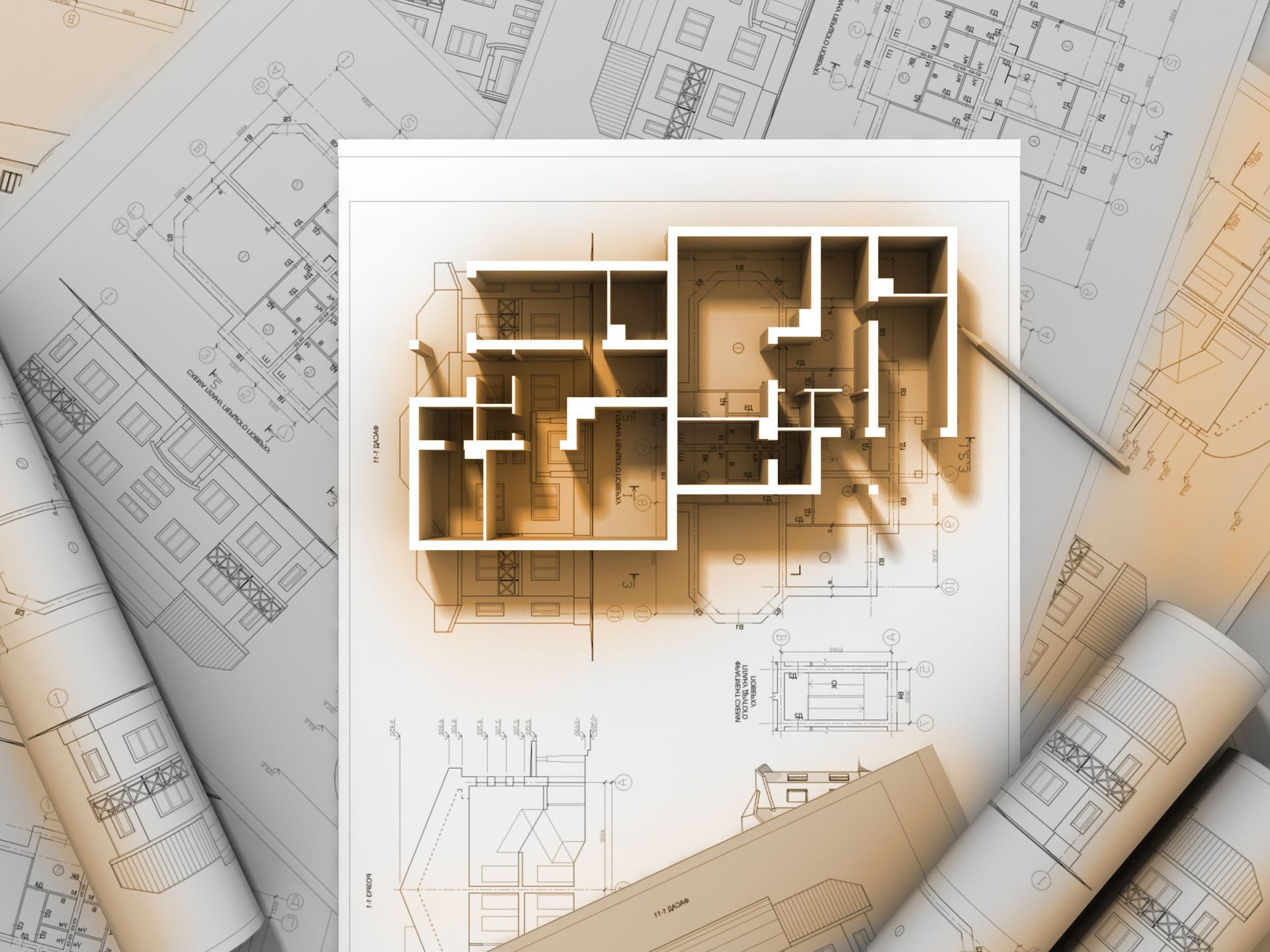
According to AZO Build, by 2025, AR and VR will become crucial tools for project management, training, and client presentations, drastically reducing design errors and improving project outcomes. Architects create stunning designs that engineers must then analyze to determine what framework, materials, and construction methods will support the envisioned forms and spaces. This translation process requires a deep understanding of material properties, load paths, and construction techniques that transform conceptual sketches into detailed construction documents specifying every structural element. Engineers often identify conflicts between architectural intent and structural reality, requiring creative problem-solving to achieve desired aesthetics while maintaining safety and constructability. The iterative collaboration between architects and structural engineers refines designs until they satisfy both aesthetic goals and engineering requirements, ensuring buildings look as intended while performing safely throughout their service lives.
Ensuring Life Safety Through Proper Load Analysis
Buildings must support not just their own weight but also occupants, furniture, equipment, snow, wind, and seismic forces that vary by location and building use. Experienced engineers calculate these complex load combinations to ensure structures possess adequate strength with appropriate safety margins, preventing failures that would endanger lives. Load analysis accounts for worst-case scenarios, including maximum anticipated occupancy, heaviest probable snow accumulation, strongest winds the location might experience, and seismic events based on regional earthquake risks. These calculations form the basis for sizing structural members, including beams, columns, foundations, and connections that must work together as integrated systems resisting all anticipated forces without excessive deflection or catastrophic failure.
Selecting Appropriate Materials and Construction Methods
Different materials, including steel, concrete, timber, and masonry, offer distinct advantages, and engineers must select options best suited for specific applications, considering cost, availability, constructability, and performance requirements. Material selection affects not just structural capacity but also construction timelines, long-term maintenance, sustainability, and total project costs that extend beyond just initial material expenses. Understanding material behavior under various loading conditions, environmental exposures, and aging allows structural engineers to specify materials that will perform reliably throughout building lifespans spanning decades. Modern construction often combines multiple materials in hybrid systems, leveraging each material's strengths while mitigating weaknesses, requiring sophisticated analysis to ensure materials work together compatibly without creating unexpected problems at interfaces between different structural systems.
Navigating Complex Building Codes and Regulations
Building codes establish minimum safety standards that all structures must meet, and engineers must demonstrate code compliance through calculations and documentation that building officials review before issuing permits. These codes address structural loads, material requirements, seismic design, wind resistance, fire protection, accessibility, and numerous other safety concerns that vary by jurisdiction and building type. Code compliance doesn't just satisfy legal requirements but ensures buildings meet established safety standards, protecting public welfare through requirements developed from decades of research and lessons learned from structural failures. Experienced engineers stay current with evolving codes and can navigate the complex regulatory landscape, ensuring projects meet all applicable requirements without unnecessary over-design that wastes resources while still satisfying safety obligations.
Performing Structural Analysis Using Advanced Tools
Modern computer software allows engineers to create detailed structural models analyzing how buildings will behave under various loading conditions with precision impossible through manual calculations alone. These sophisticated analysis tools evaluate complex three-dimensional structures, model dynamic responses to earthquakes and wind, and identify stress concentrations or weaknesses requiring design modifications. While software provides powerful capabilities, experienced structural engineers must interpret results intelligently, recognize when outputs seem unreasonable, and apply engineering judgment that computers cannot replicate. The combination of advanced analytical tools and seasoned engineering judgment produces optimized designs that are both economical and safe, avoiding the over-conservative approaches that excessive reliance on simplified manual methods sometimes necessitates.
Providing Construction Phase Services
Engineering responsibility doesn't end with completed construction documents, as engineers often provide construction administration, ensuring contractors build structures according to design intent and addressing field conditions requiring design modifications. Site visits allow engineers to verify proper construction techniques, review contractor submittals, respond to requests for information, and evaluate proposed substitutions or changes that contractors suggest. When unexpected site conditions emerge or contractors identify construction challenges, structural engineers develop solutions, maintaining structural integrity while allowing projects to proceed without costly delays. This ongoing involvement throughout construction ensures that what gets built matches what was designed, preventing the shortcuts or misinterpretations that could compromise structural performance if engineers weren't available to clarify intent and approve modifications.
Evaluating Existing Structures for Renovations
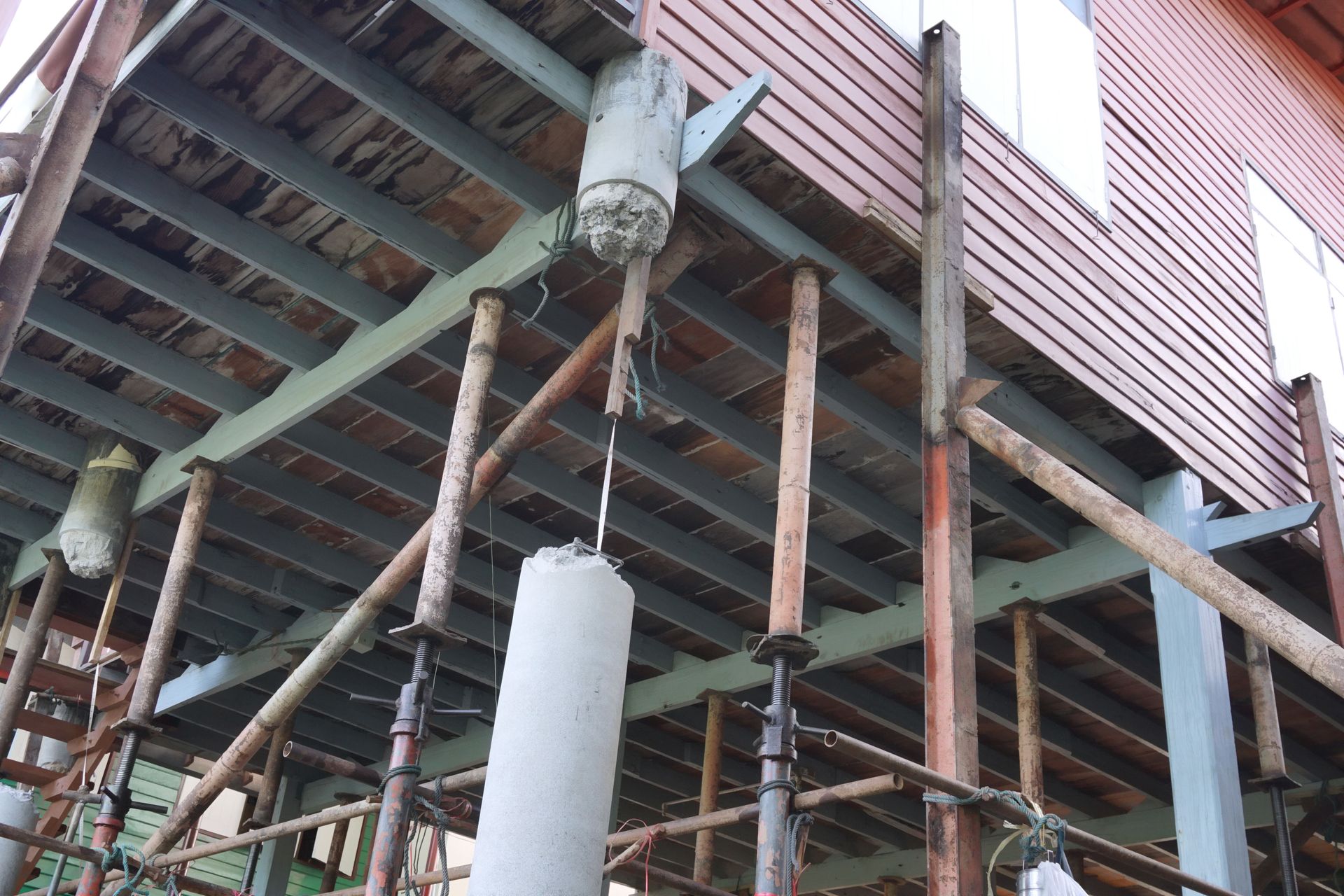
Renovation and adaptive reuse projects require engineers to assess existing structural conditions, determine remaining capacity, and design modifications or reinforcements supporting new uses or correcting deficiencies. Older buildings may not meet current codes, contain deteriorated materials, or have undocumented modifications affecting structural capacity that must be evaluated before additional loads or alterations can be safely implemented. Engineers use non-destructive testing, material sampling, and analytical techniques to determine what existing structures can support and what strengthening may be necessary for safe continued use. This evaluation work proves essential for renovation projects where assumptions about existing conditions without proper engineering assessment lead to failures, construction surprises, and budgets that balloon when unexpected structural deficiencies are discovered during demolition or construction.
Advancing Sustainability Through Efficient Design
Structural engineers contribute to sustainable construction by optimizing material use, specifying recycled or renewable materials, and designing efficient systems that minimize environmental impact while meeting performance requirements. Right-sizing structural members eliminates material waste from over-conservative designs while maintaining safety, reducing embodied carbon that material production, transportation, and installation create. Modern analysis tools and advanced materials allow engineers to achieve the required performance with less material than conventional approaches require, directly reducing the environmental footprints of construction projects. The sustainable design considerations that engineers incorporate benefit both the environment and project budgets through reduced material costs, supporting the growing emphasis on green building practices that minimize construction's environmental impact.
The essential role structural engineers play in transforming architectural visions into safe, functional buildings cannot be overstated, as their expertise ensures structures protect occupants while serving intended purposes throughout decades of use. Understanding the complex responsibilities these professionals shoulder helps everyone involved in construction appreciate why their involvement from the earliest design through construction completion proves indispensable for successful projects. The combination of technical knowledge, analytical skills, practical experience, and collaborative ability that engineers bring to projects represents the difference between buildings that perform as intended and those that suffer from the preventable failures that inadequate engineering creates. Jezerinac Geers & Associates, Inc. provides structural engineering services backed by over 40 years of experience, with half our employees having celebrated over 20 years with JGA, and we are licensed in 45 states and the District of Columbia. For more information, contact us today!

Share On: