
How Structural Engineers Help Meet Building Codes and Regulations
Building a safe, durable structure involves much more than simply sketching a beautiful layout and gathering construction materials. Every modern facility must navigate a complex web of local, state, and national building codes to ensure the safety of its future occupants. Partnering with the right structural engineers from the very beginning protects your financial investment and keeps your project moving smoothly through the regulatory approval process.
Navigating Intricate Regulatory Frameworks
Building codes exist to establish minimum safety standards for everything from commercial office spaces to massive industrial facilities. These regulations are updated frequently to reflect new safety research, shifting environmental factors, and lessons learned from past structural failures. For any business owner or developer, trying to keep track of these evolving legal requirements while managing daily operations can be entirely overwhelming.
This regulatory burden is why specialized technical expertise is so highly valued across the entire development sector. According to Mordor Intelligence, construction and infrastructure commanded 24.05% share of the US engineering services market in 2025. This significant market share highlights how heavily the modern building industry relies on professional design and compliance verification to successfully launch new properties.
When you bring experienced structural engineers onto your project team, they act as your guides through this complex regulatory maze. They understand the specific regional rules governing your building site, including local wind loads, soil conditions, and seismic activity requirements. Their deep familiarity with building codes ensures that your project is designed for full legal compliance right from the first blueprint.
Implementing Detailed Structural Analysis and Design
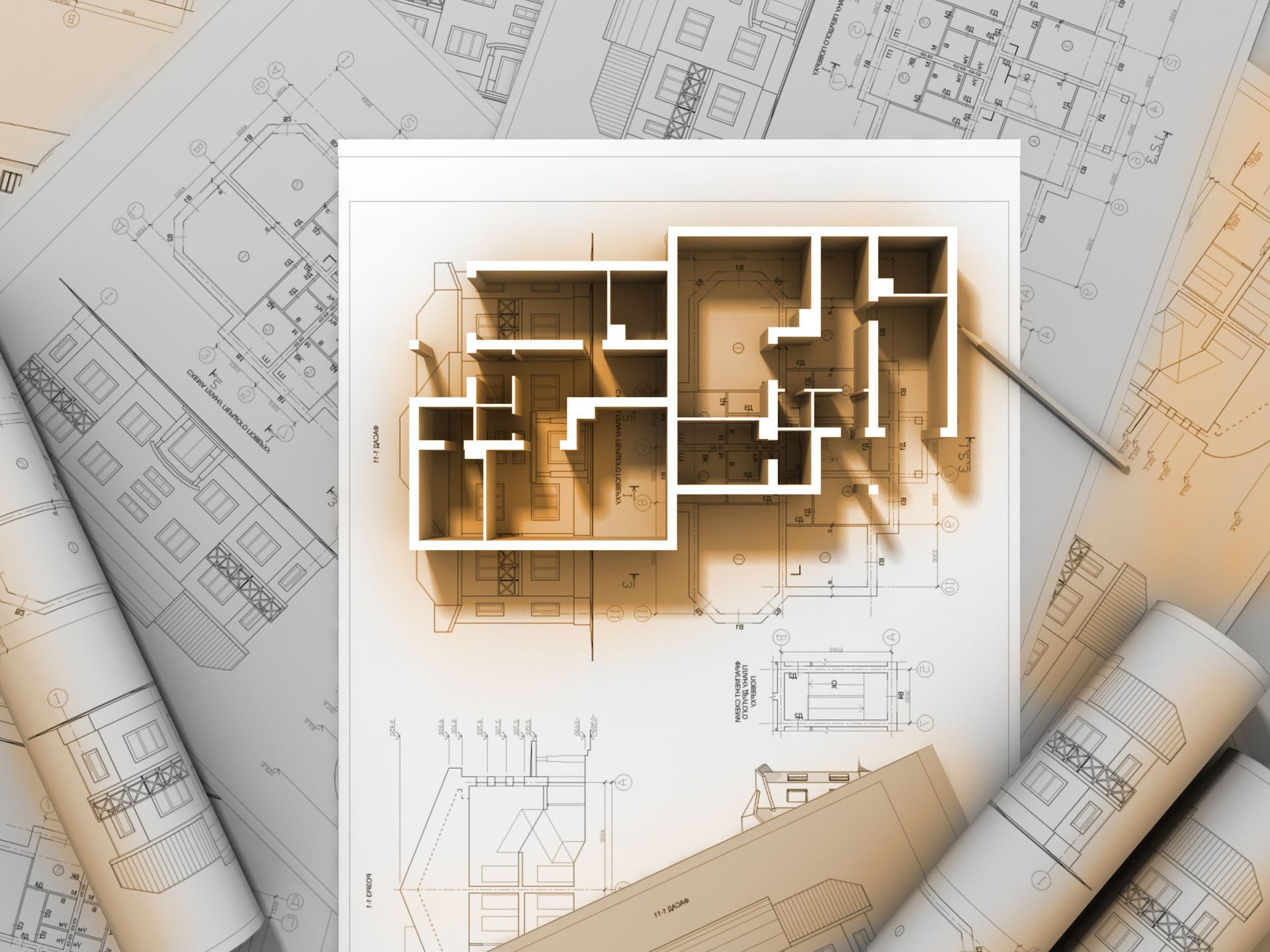
Before a single shovel touches the dirt, every major structural component of your facility must be meticulously calculated and analyzed. This rigorous evaluation ensures that the foundation, columns, beams, and load-bearing walls can safely handle both dead loads, such as the weight of the building materials, and live loads, such as people and equipment. Skipping this vital step can lead to catastrophic structural failure, costly legal penalties, or severe construction delays.
During this comprehensive structural analysis and design process, structural engineers use advanced mathematical modeling to test how your building will behave under various real-world stresses. They carefully calculate the exact thickness of concrete, the precise grade of structural steel, and the necessary reinforcement patterns required for your specific layout. This level of technical precision guarantees that your building is physically capable of supporting its intended daily operations. By running complex simulations, they can also factor in extreme environmental forces, such as severe wind storms or sudden ground shifts, ensuring the framework remains completely stable under pressure.
Furthermore, a thorough design phase prevents the wasteful over-ordering of raw materials, keeping your overall construction budget well-balanced and predictable. By matching code requirements with cost-efficient engineering methods, professionals deliver plans that are both completely secure and practical to build. This strategic balance protects your bottom line while giving you total peace of mind regarding the safety of your property, transforming abstract architectural drawings into an optimized, structurally sound reality that performs efficiently throughout its entire operational lifespan.
Executing Thorough Structural Investigations and Planning
When dealing with existing buildings, the compliance process requires a highly specialized approach focused on evaluating historical materials and current conditions. Older properties frequently suffer from hidden wear and tear, foundational settling, or outdated structural systems that no longer align with modern safety regulations. Before you can safely remodel, expand, or repurpose a commercial space, you must understand exactly what is happening beneath the surface.
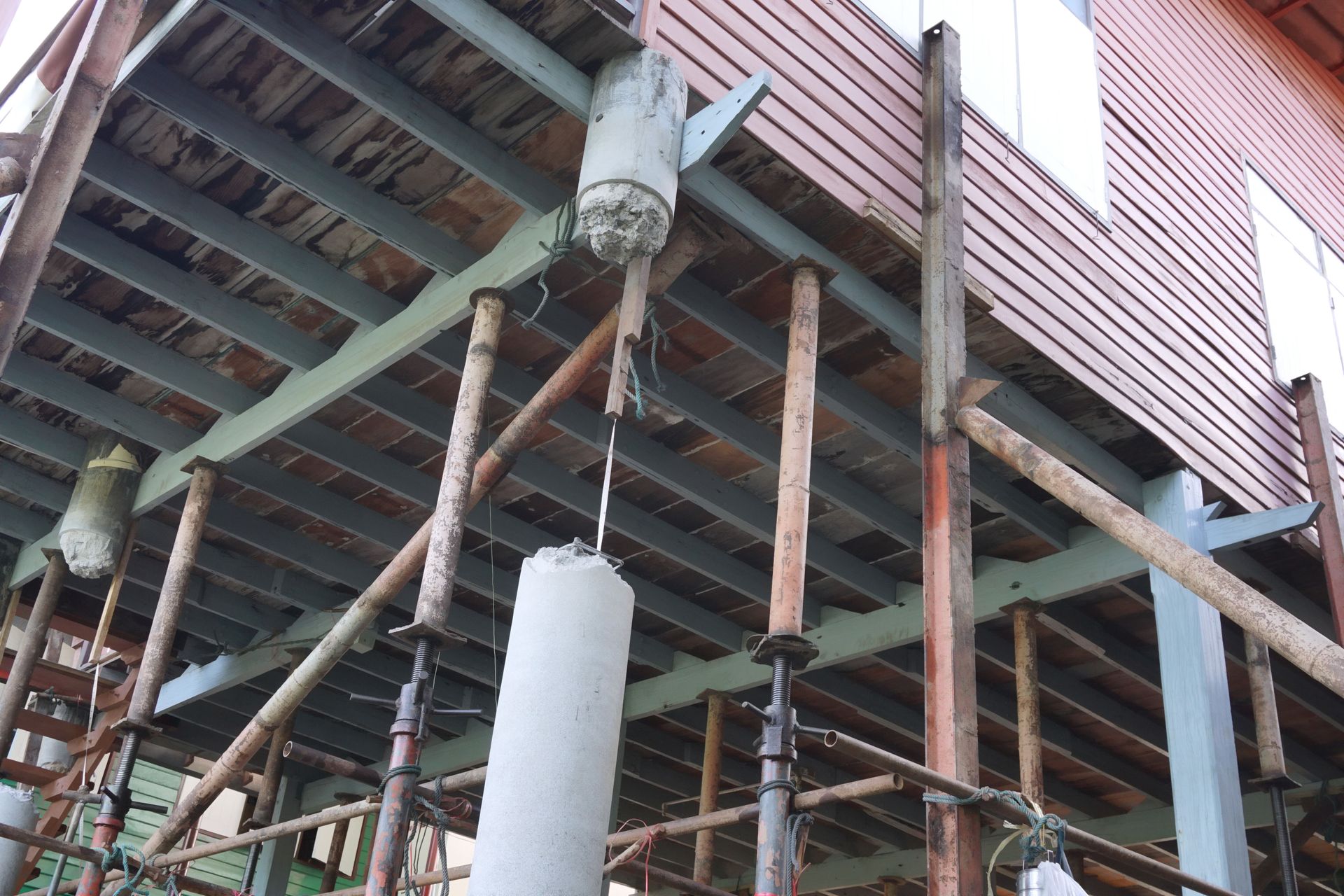
To uncover these hidden issues, structural engineers perform detailed structural investigation services to diagnose the root causes of visible cracking, sagging, or moisture damage. They utilize specialized testing methods to evaluate the remaining strength of older concrete, timber framing, and masonry walls without damaging the property. These objective field findings allow them to draft highly accurate remediation plans that bring the structure up to modern compliance. Additionally, this systematic diagnostic approach provides historical data that allows the engineering team to predict how the original framing elements will interact with brand-new, modern structural components.
This careful initial planning phase is absolutely vital for preventing unexpected structural surprises during the physical construction work. It allows you to address localized weaknesses, such as poor drainage or compromised supports, before they escalate into incredibly expensive emergency repairs. Investing in professional diagnostics early on ensures that your renovation project is built upon a legally compliant and physically stable foundation, giving developers and financial lenders the technical assurance required to fund the adaptive reuse project safely.
Delivering Specialized Construction Support Services
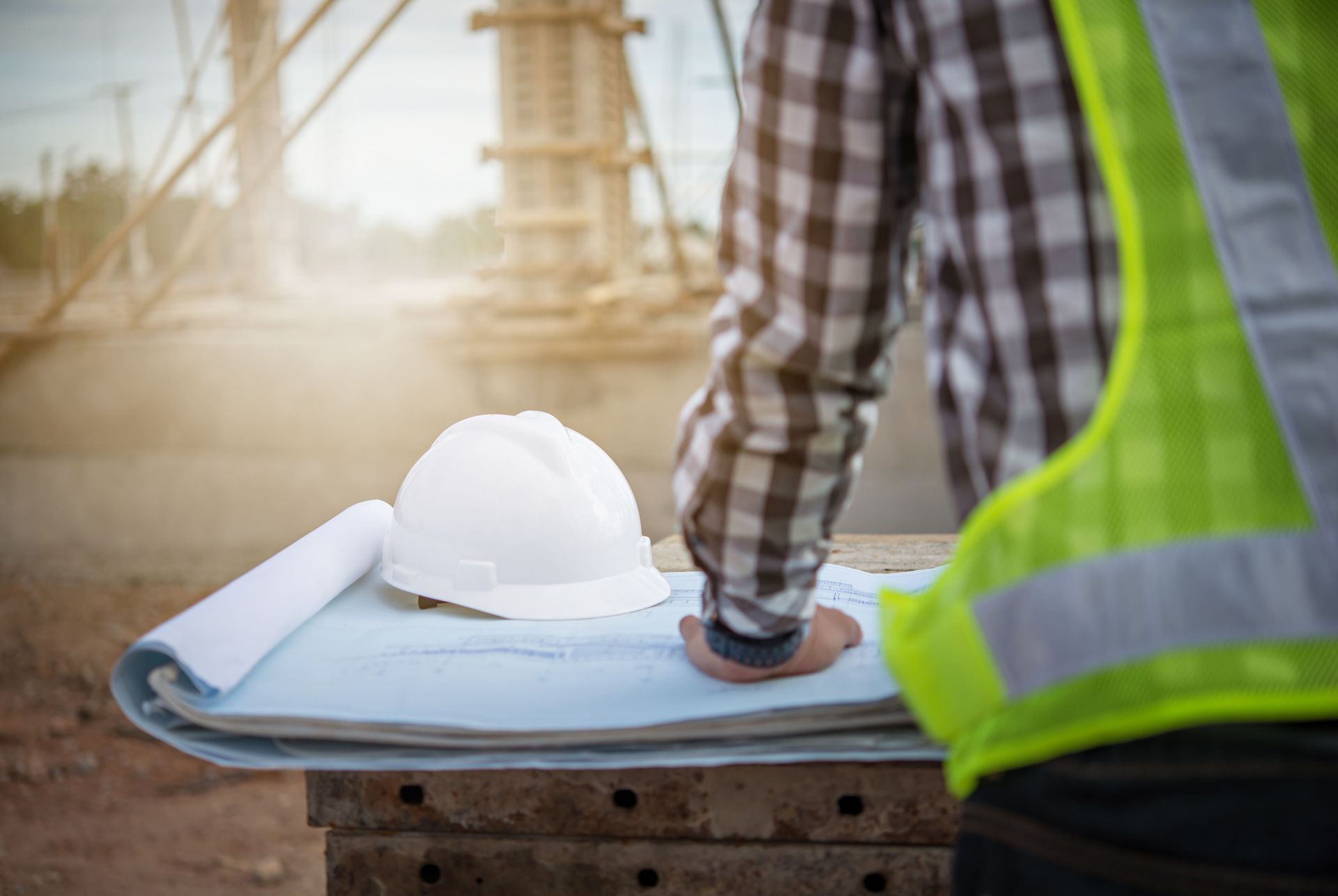
The need for strict code compliance does not end once the design blueprints are finalized and approved by local building officials. As construction gets underway, unexpected field conditions, material substitutions, or contractor questions can easily threaten the regulatory compliance of the original design. Maintaining continuous professional oversight during the physical building phase is essential for ensuring that the approved plans are executed flawlessly.
By utilizing dedicated construction support services, you keep your structural engineers actively involved on the job site to review contractor and shop drawings. These experts conduct routine site visits to inspect critical milestones, such as verifying the placement of steel reinforcement before a major concrete pour. Their regular field reports provide local building inspectors with the official verification required to approve your building permits and occupancy certificates. This seamless stream of documentation builds a solid relationship with municipal authorities, speeding up approvals and preventing project shutdowns due to miscommunications on site.
If an unexpected obstacle arises during construction, such as an unmapped underground utility line, your engineering team can quickly draft a compliant design modification. This rapid problem-solving capability minimizes costly downtime and keeps your construction crews working safely toward completion. Having professional oversight throughout the building process protects you from contractor errors and ensures the long-term durability of your facility, giving your stakeholders full confidence that the physical structure perfectly matches the integrity of the original engineering models.
Crafting Creative Engineering Solutions for Complex Projects
Modern architecture frequently pushes the boundaries of traditional design, incorporating massive open spans, unique geometric shapes, and innovative sustainable materials. While these striking visual features make your property stand out, they also present highly unusual structural load paths that standard building codes may not explicitly cover. Successfully executing these ambitious concepts requires a creative approach that blends scientific principles with advanced technology.
To resolve these intricate architectural challenges, structural engineers utilize modern computer-aided design and building information modeling to simulate complex structural behaviors in three dimensions. This advanced technology allows them to anticipate potential stress concentrations and geometric conflicts long before construction crews arrive on site. They can then develop customized structural framing systems that safely distribute heavy loads while preserving the open, aesthetic vision of the architect.
This collaborative approach ensures that your building achieves a perfect harmony between striking visual design and uncompromising structural safety. Whether you are retrofitting a historic landmark, building on a steeply sloped site, or planning an expansive multi-story facility, specialized engineering turns complex design hurdles into safe, constructible realities. Embracing this level of technical innovation allows your business to build with absolute confidence.
Successfully navigating the modern construction landscape requires a dedicated partner who values technical precision, open communication, and regulatory compliance. Protecting your property investment and ensuring the safety of your occupants relies on precise calculations, practical design solutions, and rigorous field investigations. Contact Jezerinac Geers & Associates, Inc today to discuss your next development project and secure the expert structural support your vision deserves.

Share On: