
4 Structural Engineering Projects You Need Professional Help With
Structural engineering projects are complex undertakings that require precise planning, technical expertise, and regulatory knowledge. Whether you're considering a residential extension or a major infrastructure development, professional help is often indispensable. This article explores a range of structural engineering projects that typically need professional guidance to ensure safety, efficiency, and compliance with regulations. Given the intricacies involved, relying on experts can greatly reduce the risks associated with construction errors, potential safety hazards, and financial overruns. With the engineering services industry projected to reach a market size of $367.4 billion in 2025, according to IBISWorld, this underscores the demand and importance of specialized services in this field.
1. Commercial Building Design and Construction
Designing and constructing commercial buildings require meticulous attention to numerous aspects, beginning with regulatory compliance. Adhering to local building codes and regulations is vital to avoid any legal complications and ensure safety standards are met. Professionals in structural engineering are in the best position to interpret these codes and apply them aptly to your project. Moreover, this ensures the longevity of the building, averting potential violations that can lead to fines or mandatory reconstructions. Industry reports show significant increases in demand for commercial spaces, further pushing the need for expert oversight in construction precision.
Load and stress analysis is another critical aspect of commercial building projects. Engineers conduct comprehensive evaluations to understand how a building will respond to various forces and environmental conditions. Without accurate analysis, a structure could suffer from premature failure, leading to costly repairs or endangerment of occupants. Structural engineers use advanced software and modeling techniques to predict how buildings will perform under stress, making informed decisions on design and construction methods. This scientific approach to analyzing load and stress ensures buildings can withstand extreme conditions, such as heavy winds and earthquakes.
Choosing suitable materials is imperative for the durability and sustainability of commercial buildings. Structural engineers consider various factors such as climate, usability, and regulatory restrictions when recommending materials. There is an increasing emphasis on sustainable materials to improve energy efficiency and reduce the carbon footprint of new buildings. The knowledge and expertise of structural engineers can lead to innovative material selection, contributing to the overall success and sustainability of a project. Consequently, investing in durable materials, even at a higher initial cost, can result in long-term savings by reducing maintenance needs and enhancing the building's lifespan.
2. Bridge Design and Rehabilitation
Bridges, due to their crucial role in transportation infrastructure, require meticulous structural engineering and planning. Historical bridges present unique challenges in terms of modernizing while preserving heritage. Experts in structural engineering take careful consideration of original materials and designs to respect historical value while enhancing structural soundness. The process involves a delicate balance of integrating modern technologies and materials with old-world craftsmanship. This demanding task highlights the need for experienced professionals who can navigate these complex requirements successfully.
Traffic and load management is a fundamental aspect of designing and rehabilitating bridges. Structural engineers must anticipate current and future traffic demands in combination with expected weight capacities to ensure a bridge remains functional and safe. This involves assessing not only vehicle loads but also environmental factors such as wind, earthquakes, and temperature fluctuations. Engineers also consider pedestrian use, cycling traffic, and maintenance access as part of their planning. Advanced modeling techniques are employed to simulate these conditions, ensuring the bridge can accommodate changes in use and requirements over its lifespan.
Incorporating innovative materials into bridge design can significantly extend a bridge's lifespan and reduce maintenance needs. High-performance materials such as composite fibers, self-healing concretes, and weather-resistant metals are setting new standards in the industry. These materials offer durability and require less frequent maintenance, contributing to lower lifecycle costs for bridge projects. Their inclusion in modern bridge design reflects a broader trend towards sustainability and efficiency in engineering practices. As the structural engineering services market continues to grow, so does the necessity for cutting-edge solutions in structural projects, highlighting the importance of professional expertise in implementing these advancements.
3. High-Rise Building Engineering
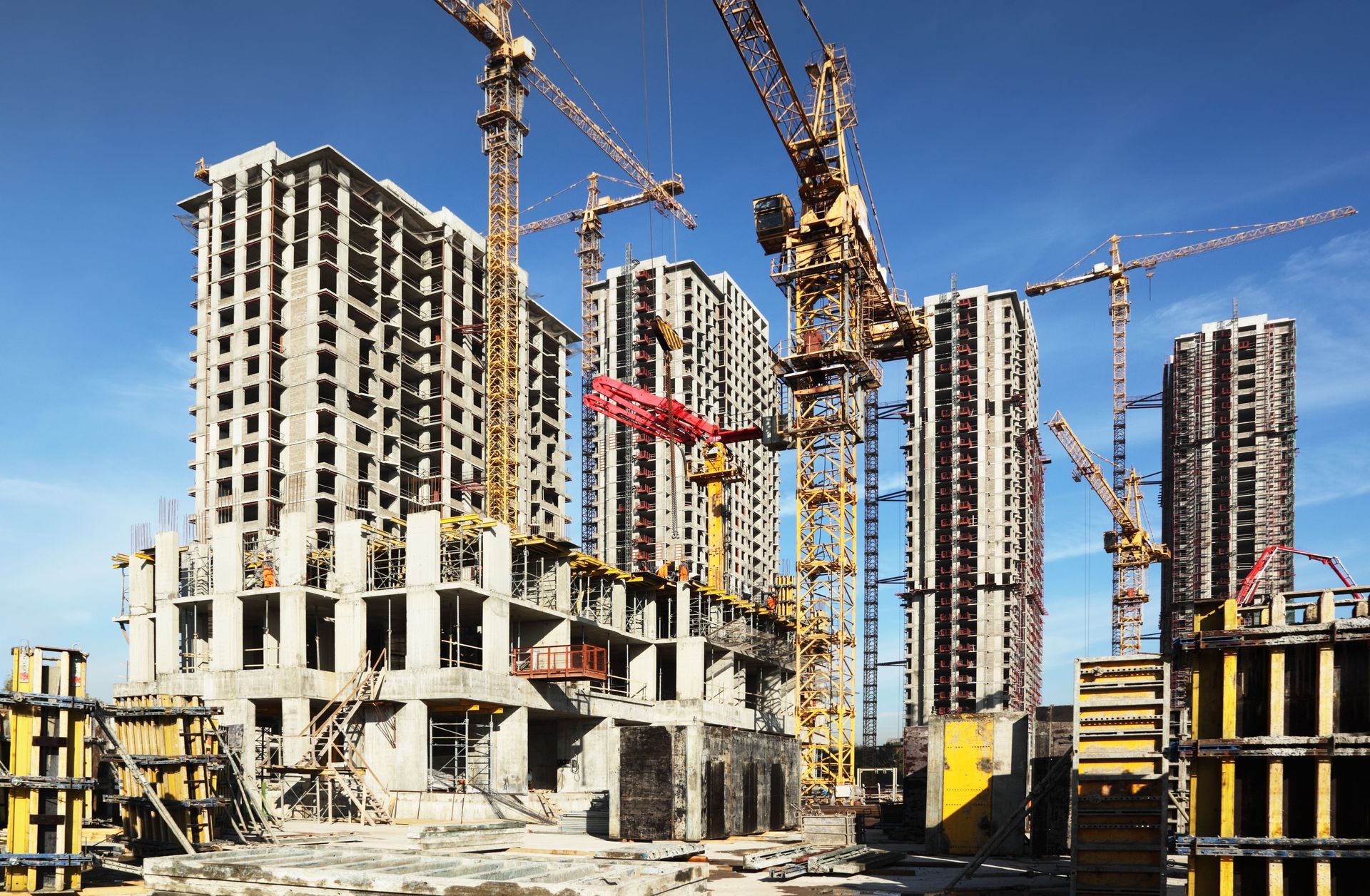
High-rise buildings pose unique challenges, starting with foundation design, which requires understanding varied earth substrates. Engineers assess different soil types and their ability to support the massive loads of high-rise structures to ensure stability and prevent settling. Factors such as ground water levels, soil composition, and seismic history are critical considerations in foundation planning. Engineers often utilize deep foundation techniques such as piling to transfer loads to more stable earth layers. This knowledge is crucial in preventing foundational issues that could compromise the entire structure, reflecting the importance of professional input in high-rise engineering.
Wind load analysis is another critical engineering requirement for tall buildings. As structures increase in height, they face greater wind pressures that can affect structural integrity and comfort. Structural engineers must design buildings to withstand these forces through strategic use of materials, building shape, and structural supports. Designed to sway gently, tall buildings can maintain stability without causing distress to occupants. Engineers employ sophisticated computer simulations to predict how these structures will respond dynamically to wind forces, ensuring safety and performance. Such advancements make professional guidance indispensable in high-rise construction projects.
High-rise buildings also require advanced systems for effective elevator management and building maintenance. Elevator systems are integral to occupant convenience and safety, necessitating precise engineering and design. Structural engineers work closely with mechanical engineers to ensure elevators are efficient, safe, and capable of moving large numbers of people quickly between floors. Additionally, building maintenance gears such as façade cleaning equipment and emergency systems require careful planning within the structural framework. These areas demand an integration of multi-disciplinary expertise, which underscores the necessity for professional involvement in high-rise engineering projects.
4. Marine and Coastal Engineering Projects
Coastal erosion mitigation is a significant concern in marine engineering projects, necessitating specialized expertise. Engineers develop strategies to combat this natural process, including constructing seawalls, breakwaters, and revetments to minimize land loss. Enhancing natural barriers like dunes and mangroves can also serve as effective erosion control. These projects must account for natural water movements and preserve marine ecosystems. Structural engineers use models to predict the impacts of various strategies and determine the most effective solutions, underscoring the demand for professional intervention.
Designing ports and harbors involves accommodating large commercial vessels for loading and unloading, necessitating robust engineering designs. These projects must ensure port functionalities can withstand natural forces such as tides, currents, and weather changes. Strong structural frameworks are required for docking facilities, and materials must be chosen for durability against saline conditions. Engineers also plan for future expansions or modifications to accommodate increasing global trade. Experts optimize designs by incorporating advancements in materials and structural engineering practices, ensuring ports can handle growing demands efficiently.
Marine and coastal projects must integrate flood defense systems to manage rising sea levels and storm surges effectively. Infrastructure like levees, floodgates, and pumping stations are engineered to protect coastal communities. Structural engineers take environmental and climatic conditions into account to construct reliable defense systems. This ongoing challenge requires innovative solutions, as climate change predictions indicate increasing sea levels and intensified storms. By leveraging technology and engineering expertise, communities can increasingly rely on robust protection from regular and extreme water-related events.
Having the right professional help is crucial when embarking on complex structural engineering projects. These endeavors not only require technical expertise but also demand compliance with various safety, environmental, and regulatory standards. By involving skilled structural engineers, you can ensure the longevity, efficiency, and safety of your projects, ultimately leading to successful and sustainable developments. Professional involvement reduces the risk of costly errors, enhances project outcomes, and assures compliance with evolving industry standards. As the engineering services industry continues to expand, the role of skilled professionals remains instrumental in transforming complex project visions into reality. If you're looking for structural engineering services, contact Jezerinac Geers & Associates, Inc today.


Share On: